
In the upper echelons of luxury interior design, a rug is never merely an afterthought or a simple floor covering. It is the foundational canvas upon which the entire room is built. When curating a space that demands absolute perfection, off-the-shelf textiles simply cannot deliver the required architectural precision. This is where the art of the custom rug becomes indispensable.
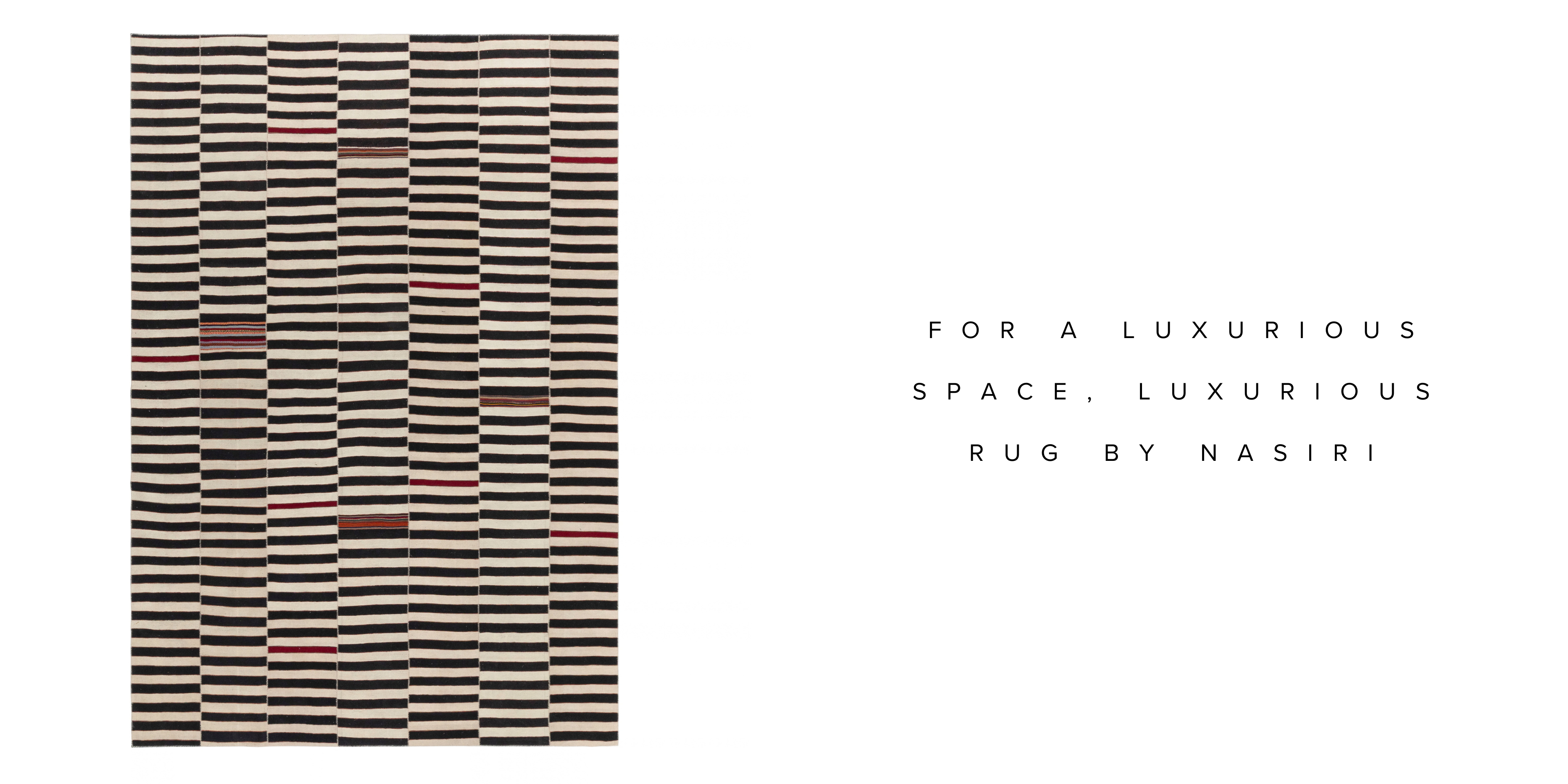
Creating a bespoke rug allows homeowners, architects, and interior designers to dictate every variable—from the exact millimeter of the dimensions to the precise Pantone shade of the silk accents. It is the transition from passive consumerism to active artistry.
The Custom Advantage: Bespoke rugs solve complex spatial challenges, ensuring furniture layouts are perfectly anchored in asymmetrical or open-concept rooms.
Color Matching: Custom production allows for precise dye-matching to existing upholstery, fine art, or architectural finishes using natural, hand-carded fibers.
Textural Innovation: Modern custom rugs frequently blend materials—such as a matte wool foundation with raised, high-pile silk motifs—to create a dynamic, 3D effect.
Ethical Luxury: Hand-knotted bespoke rugs represent the pinnacle of sustainable, slow-crafted interior design, offering a multi-generational lifespan that mass-produced textiles cannot match.
Whether you are designing a soaring glass penthouse or a historic heritage estate, this masterclass delves into the aesthetics, psychology, and styling strategies of commissioning custom luxury rugs.
The most common error in residential design is compromising on the size or shape of a rug. Standard dimensions (8x10, 9x12, 10x14) are dictated by factory efficiencies, not by the unique blueprints of your home.
When you commission custom luxury rugs, you unlock absolute spatial freedom.
Open-Concept Zoning: In modern architecture where the kitchen, dining, and living areas share a single expansive footprint, walls are absent. Custom rugs act as visual boundaries, defining intimate "rooms within rooms" without interrupting the sightlines.
Conquering Asymmetry: Historic homes with angled fireplaces, or contemporary builds with curved glass walls, reject standard rectangular rugs. A bespoke rug can be woven into L-shapes, ovals, octagons, or entirely fluid organic shapes that mirror the room’s architecture perfectly.
The Scale of Grandeur: High-ceilinged great rooms can easily swallow standard textiles. Bespoke sizing allows for monumental, oversized rugs (e.g., 15x20 or larger) that match the dramatic scale of the architecture, ensuring the room feels grounded rather than cavernous.
Color is the most emotionally resonant element in interior design. Finding a pre-made rug that perfectly complements your bespoke velvet sofa, custom wallcoverings, and curated art collection is a statistical improbability.
The custom rug process begins with precise color engineering.
At NASIRI, the pursuit of color perfection involves mastering ancient dyeing techniques tailored for modern palettes.
In luxury hand-knotted rugs, you will often notice subtle variations in the color of the field—a phenomenon known as abrash. This occurs naturally when different batches of hand-spun wool absorb dye slightly differently. In bespoke design, we often purposefully engineer abrash to give a brand-new custom rug an immediate sense of history, soul, and organic warmth, preventing the sterile look of machine-made textiles.
While traditional Persian and Oriental rugs rely heavily on complex, multi-colored motifs to create visual interest, contemporary custom rugs often leverage texture as the primary design element.
One of the most striking techniques in modern bespoke rugs is carving. Artisans weave the rug using a blend of materials—typically a resilient New Zealand wool and a luminous pure silk. Upon finishing, the wool is sheared down to a low pile, while the silk design is left slightly longer (or vice versa). This creates a three-dimensional, embossed effect. As sunlight moves across the room throughout the day, the silk catches the light, making the pattern shift and change dynamically.
A major trend in high-end design is the completely monochromatic custom rug. By using a single color—such as a deep charcoal or a soft alabaster—but executing it in a mix of flatweave, cut pile, and loop pile techniques, the rug achieves massive visual intrigue without introducing competing colors to the room's palette.
Properly styling a bespoke rug requires a distinct approach for every room in the house. Here is the designer’s blueprint for executing flawless floor plans.
The Goal: Make an immediate, unforgettable first impression while handling high foot traffic.
The Custom Solution: Forego the standard rectangular runner. Commission a custom circular or octagonal rug that sits directly beneath the entry chandelier. Opt for durable, densely knotted wool with an intricate pattern to effortlessly hide dust and footprints between cleanings.
The Goal: Anchor the seating arrangement and elevate the room's acoustics and warmth.
The Custom Solution: The rug must be large enough that the front, and ideally the back, legs of all sofas and accent chairs sit comfortably on the pile. For a layered, opulent look, designers often commission a large, neutral custom flatweave as a base, and layer a smaller, highly patterned, plush silk custom rug directly over it, centering the coffee table.
The Goal: Frame the dining table seamlessly while allowing for the functional movement of chairs.
The Custom Solution: This is where custom sizing is non-negotiable. Measure your dining table and add exactly 30 to 36 inches to every side. This guarantees that when guests push their chairs back to stand, the back legs do not fall off the edge of the rug—a common flaw that causes tripping and damages the rug's binding over time.
The Goal: Create a sanctuary of extreme tactile comfort and acoustic dampening.
The Custom Solution: Instead of one massive rug placed under the bed, consider a custom U-shaped rug that wraps around the foot and sides of the bed, eliminating wasted material entirely hidden beneath the mattress. Material choice is paramount here: specify a high-pile mohair or a heavy silk blend for the ultimate soft landing each morning.
Bespoke rugs are not limited to residential estates. High-end boutiques, luxury hotel lobbies, and executive boardrooms utilize custom rugs to reinforce brand identity. However, commercial commissioning requires a different set of specifications.
Traffic and Density: Commercial spaces require an exceptionally high knot count and a lower pile height. A dense, low pile prevents crushing under heavy foot traffic and allows luggage or rolling chairs to move effortlessly.
ADA Compliance: In commercial environments, custom rugs must be engineered with minimal pile height (typically under 1/2 inch) and paired with specialized non-slip commercial padding to meet accessibility standards and prevent tripping hazards.
Brand Integration: Custom weaving allows for subtle, elegant integration of brand motifs. Rather than printing a literal logo on a carpet, designers can extract geometric shapes from a brand's iconography and weave them into an abstract, tonal pattern.
True luxury is inherently sustainable. In an era dominated by fast fashion and disposable home goods, a hand-knotted custom rug stands in stark contrast.
Mass-produced, machine-made rugs are often constructed from petroleum-based synthetic fibers (nylon, polyester, polypropylene) held together by toxic latex glues that degrade, off-gas, and eventually snap, rendering the rug useless within a few years. These rugs inevitably end up in landfills, where they take centuries to decompose.
By contrast, a bespoke rug crafted by NASIRI Carpets is woven using 100% natural, renewable materials: sheep’s wool, silk, and cotton. The construction relies entirely on the mechanical strength of hand-tied knots, completely eliminating the need for glues or synthetic adhesives.
Because of this meticulous, slow-crafted process, a custom rug by NASIRI is not a purchase for a decade; it is an heirloom designed to last a century. It represents an investment in fair-trade labor, preserving ancient artisanal weaving traditions that have been passed down through generations of master weavers.
To ensure the final textile perfectly matches your vision, providing a comprehensive brief to your rug producer is critical. When initiating a project, bring the following to your consultation:
The Floor Plan: Provide CAD drawings or physical dimensions of the room, including the placement and size of all major furniture pieces.
The Palette: Bring physical swatches of your sofa fabrics, drapery, and paint chips. Digital photos are rarely color-accurate; physical media ensures flawless dye matching.
The Inspiration: Whether it is a piece of antique pottery, a modern abstract painting, or a photograph of a wrought-iron gate, visual inspiration serves as the starting point for our CAD designers to begin drafting your unique motif.
The Lifestyle Context: Be honest about how the room is used. Do you have large dogs? Young children? Frequent red-wine dinner parties? This information allows us to recommend the ideal fiber blend and knot density to ensure your rug remains pristine.
To further assist you in your bespoke journey, we have compiled the definitive answers to the most common technical questions regarding custom floor art.
Q: Can you recreate an antique rug design in a custom size and new colorway? A: Absolutely. One of the most popular bespoke requests is taking a historic, centuries-old Persian or Oushak pattern, scaling it up to fit a massive modern room, and executing it in a contemporary, muted palette.
Q: Will a custom rug damage my hardwood floors? A: The rug itself will not damage your floors, but the friction between the rug backing and the floor can. We strongly advise pairing every custom rug with a premium, felt-and-rubber custom-cut rug pad. This prevents sliding, allows the rug to breathe, and adds a layer of plushness underfoot.
Q: How do I clean a bespoke silk rug? A: Silk requires absolute care. Never use chemical stain removers or standard carpet cleaning machines on silk. For liquid spills, gently blot (never rub) with a clean, dry cotton cloth to absorb the moisture. For thorough cleaning, the rug must be entrusted to a professional rug washing service that specializes in fine hand-knotted textiles.
Q: Is there a maximum size for a bespoke rug? A: Practically, no. While extremely oversized rugs (e.g., 20x30 feet) require specialized, massive looms and dedicated teams of weavers working side-by-side for many months, NASIRI Carpets has the logistical capabilities to produce and transport monumental textiles for grand estates and commercial properties.
A space is never truly finished until the foundation is laid. A custom rug is the ultimate unifier, pulling together disparate architectural elements, furniture styles, and color palettes into one cohesive, breathtaking narrative.
At NASIRI Carpets, we do not merely sell rugs; we collaborate with you to create legacy textiles. We bridge the gap between your imagination and centuries of masterful weaving tradition. From the initial strike-off to the final white-glove installation, our team manages every intricate detail of the bespoke process.
Stop compromising your design vision with standard sizes and mass-produced patterns. Elevate your interior architecture today. Explore our portfolio and connect with our design specialists to begin crafting your custom masterpiece.
Talk to a Sales