
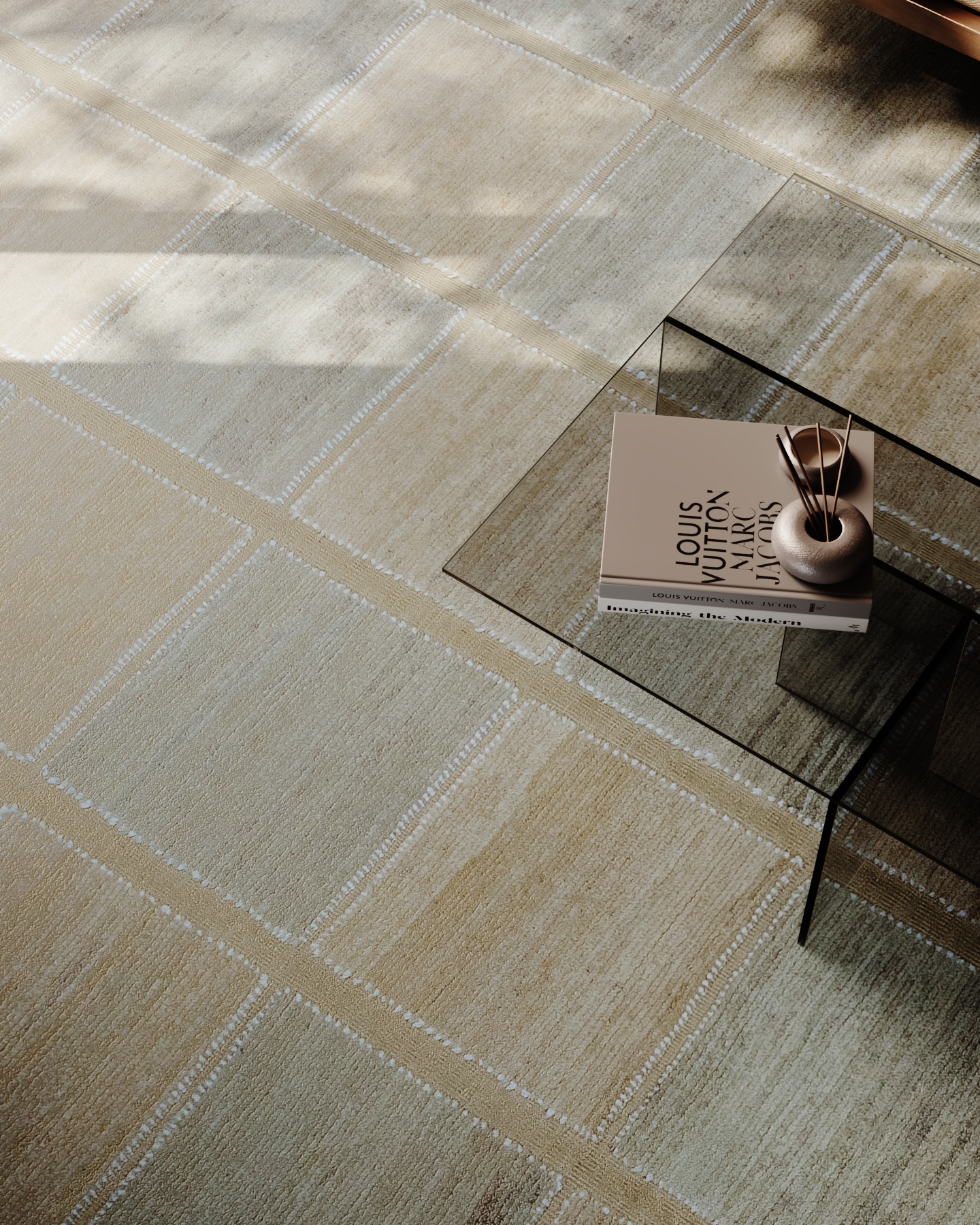
In many of today’s most compelling interiors, the trend leans toward refinement rather than excess—less visual noise, less reliance on overt patterns, and less need for decorative emphasis. Instead, there is a quieter, more enduring language defined by texture, tonal nuance, and material restraint.
Within this shift, carpet has gained a more prominent role.
No longer seen as merely a final layer, carpet is increasingly viewed as part of the room’s architecture—grounding space, softening transitions, and adding warmth through texture rather than ornament. In interiors featuring stone, plaster, wood, linen, and other natural materials, this contribution is significant. It affects how a room feels, how sound is absorbed, and how the eye moves across the space.
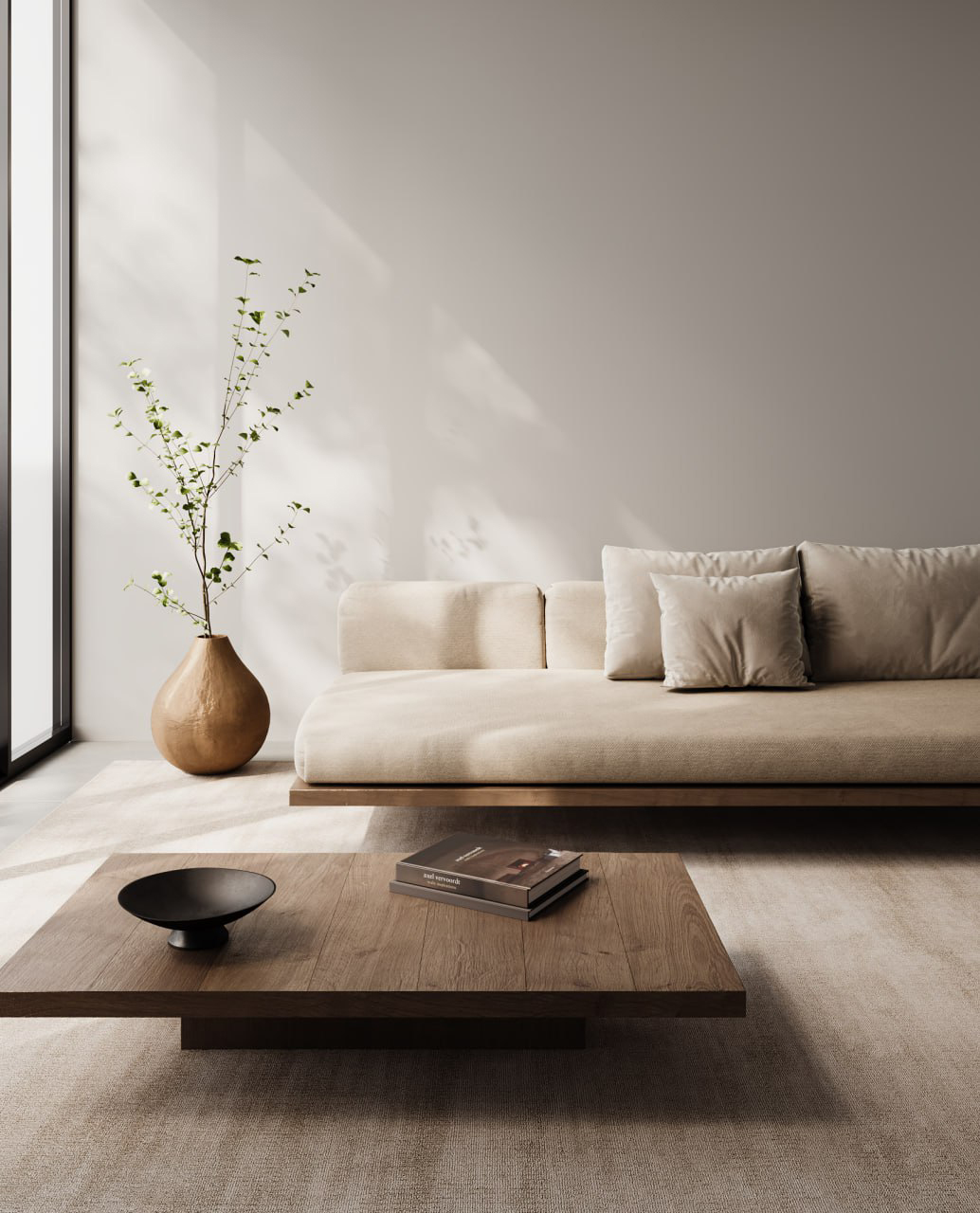
For years, many luxury interiors relied on contrast and visual punctuations to create impact. Today, the most sophisticated rooms are often achieved differently. Texture is more influential. Tonal variation replaces bold patterns. Materials are chosen not only for their appearance but also for how they reflect light, influence acoustics, and shape the atmosphere.
This sensibility has long guided NASIRI’s approach to rugs and carpets. Known for subtle tonal movements, restrained patterns, and tactile depth, NASIRI pieces are designed to add richness to a room without sacrificing clarity. Each rug or custom carpet is crafted with careful attention to scale, material, construction, and finish, allowing it to seamlessly integrate into an interior’s overall composition.
This distinction is crucial in practice. An overly decorative carpet can disrupt a room’s rhythm. Conversely, one that is too subdued may recede and add little. The most successful interiors strike a balance: surface interest without distraction, softness without heaviness, and craftsmanship that’s felt before it’s even noticed.
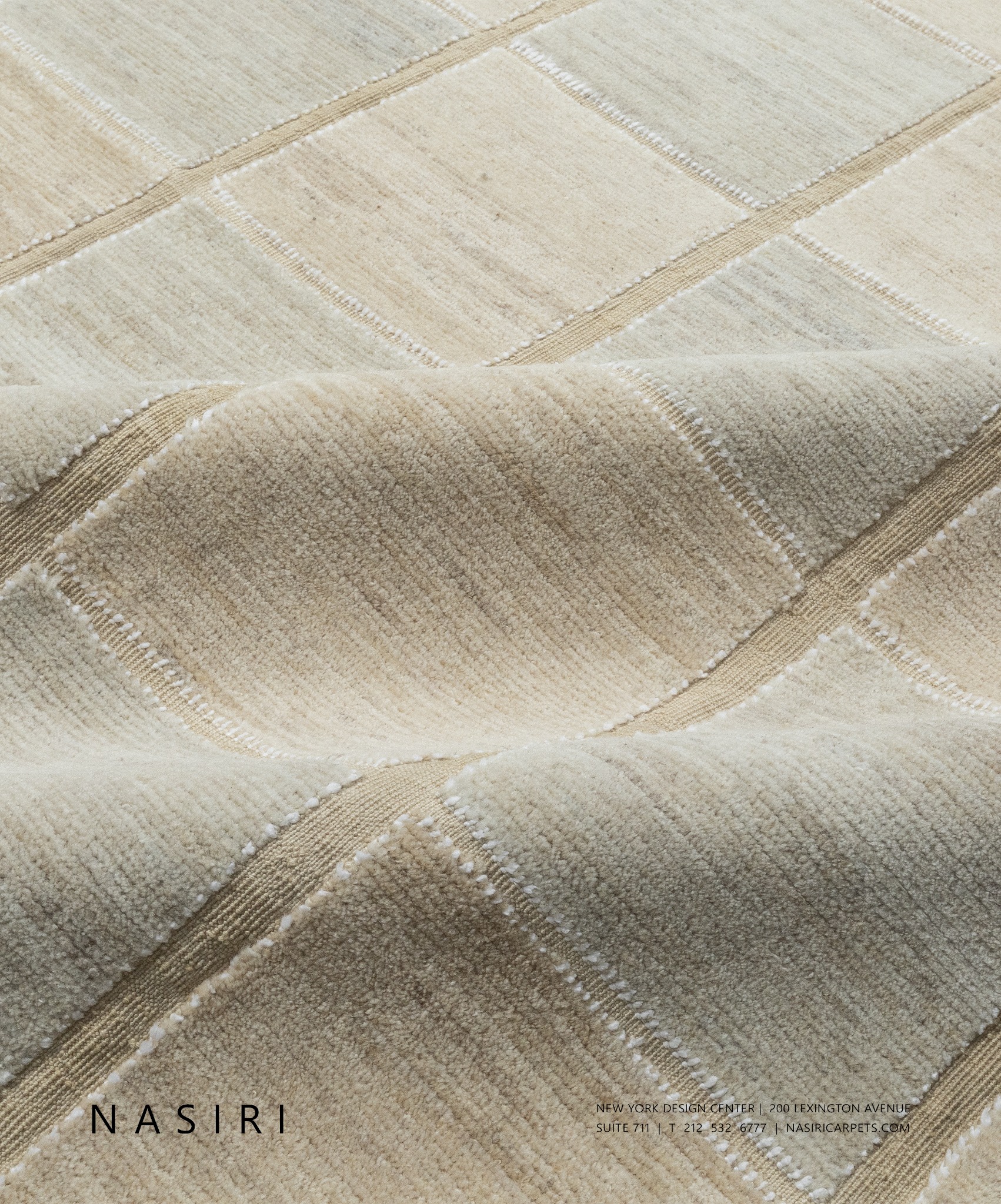
This is especially important in spaces where the architecture already plays a strong visual role. Plaster walls, pale oak, natural stone, clean lines, and sculptural furnishings call for a rug or carpet with quiet authority—something that introduces warmth and depth while maintaining harmony with the room as a whole.
In such settings, custom development becomes critical. Fiber, construction, pile, color, scale, and finish all influence how a carpet will look once installed. A tonal flatweave can add structure and calm. A more textured surface can soften rooms with sharper architectural details. Wall-to-wall carpeting, when designed specifically for its setting, can create a unique sense of continuity, softness, and ease.
What results is a more understated expression of luxury—based on balance, proportion, and material intelligence. In this context, texture is no longer secondary but a primary tool for creating depth.
For designers aiming to make an interior feel quieter, warmer, and more complete, carpet remains among the most effective architectural elements in the room.
Talk to a Sales