
In high-end residential architecture and interior design, selecting the ideal floor covering material is far more than a decorative decision. It is a foundational engineering choice that dictates how a space absorbs ambient sound, interacts with natural and artificial light, withstands daily foot traffic, and ages across generations.
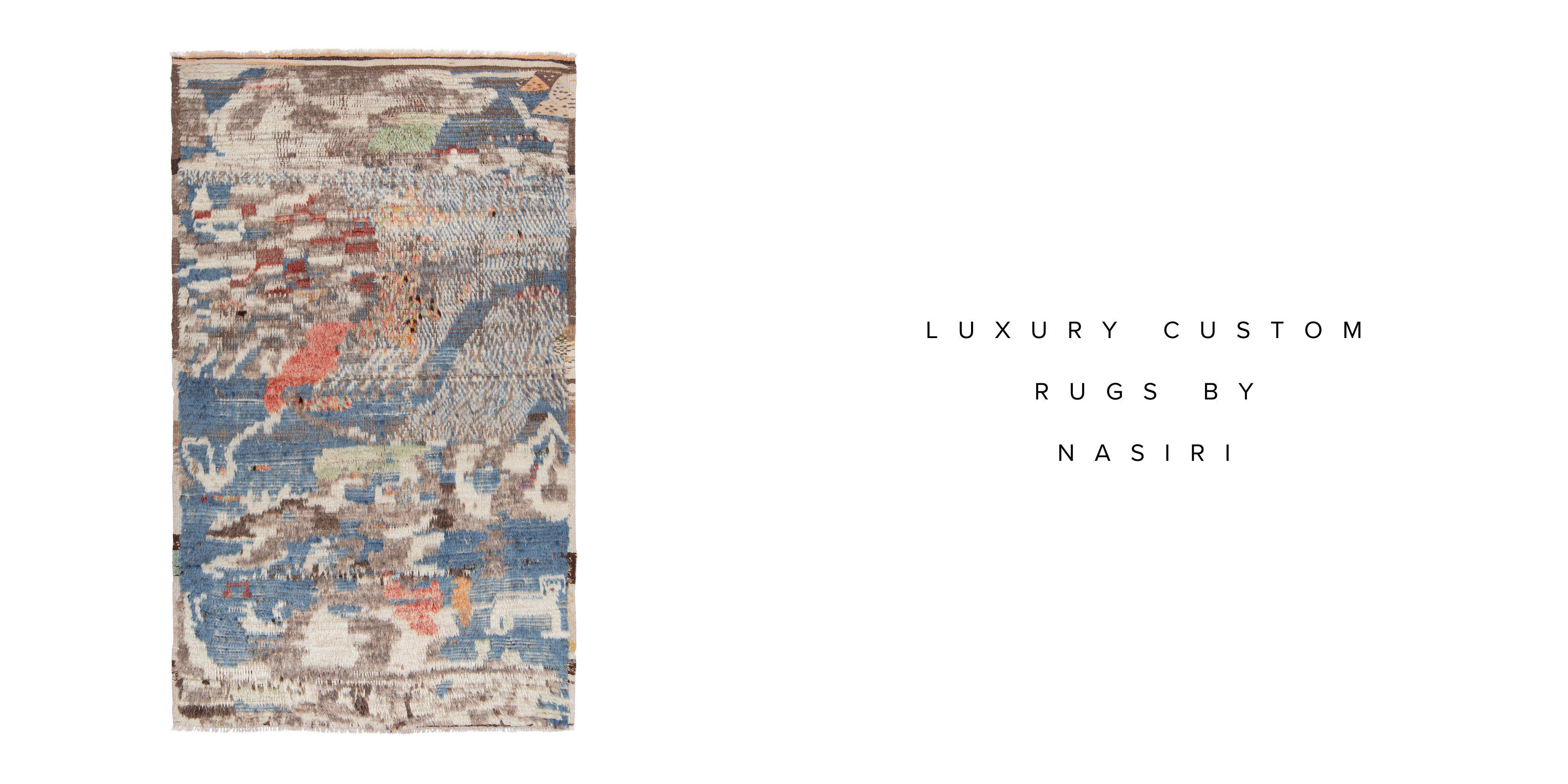
While pattern and dimension capture the initial imagination, the raw fiber composition ultimately defines the soul, durability, and tactile personality of a rug. In the realm of bespoke, hand-knotted textiles, two premier natural fibers dominate the conversation: wool and silk.
Each material possesses distinct physical attributes, structural mechanics, and visual characteristics. Understanding the interplay between high-altitude wool and cultivated silk allows architects, interior designers, and discerning homeowners to specify bespoke floor coverings that balance aesthetic elegance with long-term functional performance.
Wool has served as the backbone of artisanal rug weaving for thousands of years. However, not all wool fibers are created equal. The performance and character of a luxury carpet depend entirely on the geographic origin, harvesting methods, and processing techniques applied to the raw fleece.
+-----------------------------------------------------------------------+
|                    THE ARCHITECTURE OF MOUNTAIN WOOL                  |
|                                                                       |
|   High-Altitude Harsh Climate  --->  High Lanolin Content             |
|                                          |                            |
|                                          v                            |
|   Hand-Carding & Hand-Spinning --->  Preserved Fiber Structure        |
|                                          |                            |
|                                          v                            |
|   Result: Natural Stain Protection, Elastic Rebound, Acoustic Depth   |
+-----------------------------------------------------------------------+
High-altitude sheep—grazing in rugged, cold mountain environments—produce long-staple wool fibers coated in exceptionally high concentrations of natural lanolin. Lanolin is an organic wax that acts as a natural protective barrier.
In custom rug manufacturing, preserving this lanolin through gentle hand-carding and hand-spinning (rather than harsh industrial chemical scouring) grants the finished carpet inherent spill resistance. Liquids tend to bead up on the surface of lanolin-rich wool rather than immediately penetrating the fiber core, allowing for effortless maintenance in busy residential environments.
At a microscopic level, wool fibers exhibit a natural, three-dimensional helical crimp. This coiled structure functions like a miniature spring. When compressed beneath heavy furniture legs—such as sectional sofas, dining chairs, or marble coffee tables—or subjected to heavy foot traffic, the fibers flex and naturally rebound to their original shape.
This resilience prevents the unsightly flattening, matting, and crushing that routinely afflict synthetic or lower-grade fiber floor coverings over time.
Unlike fibers that reflect light intensely, wool absorbs and diffuses light softly across its surface. This produces a rich, matte finish with deep visual grounding. In expansive architectural spaces with floor-to-ceiling curtain walls or strong directional lighting, a wool carpet provides a calm, anchored baseline that absorbs excess visual glare.
Wool fibers feature a complex, porous internal cortex filled with microscopic air pockets. When woven into a dense, hand-knotted pile, wool acts as a powerful acoustic absorber. It dampens ambient echo, muffles footstep impact, and improves sound clarity in rooms characterized by hard architectural surfaces like polished concrete, floor-to-ceiling glass, or marble floor plates.
Additionally, wool provides natural thermal insulation, trapping warmth underfoot during colder months while remaining breathable in summer.
If wool represents the grounding, resilient foundation of textile architecture, silk represents its most brilliant, sculptural highlight. Derived from the continuous filaments spun by the Bombyx mori silkworm fed on cultivated mulberry leaves, pure silk is the pinnacle of luxury fiber design.
The legendary sheen of pure silk is not merely a surface coating; it is a physical property derived from the fiber's unique cross-sectional geometry. Silk filaments possess a triangular, prism-like structure with rounded corners.
When ambient light strikes a silk fiber, it does not simply bounce off the surface. Instead, light enters the transparent filament, refracts through its internal triangular faces, and reflects outward at varied angles. This internal refraction creates a shimmering, luminous luster that changes hue and intensity as an observer moves around the room.
+-----------------------------------------------------------------------+
|                    THE SILK PRISM LIGHT EFFECT                        |
|                                                                       |
|   Incoming Light Rays                                                 |
|          \                                                            |
|           \                                                           |
|      +-----v-----------------+                                        |
|      |  Triangular Silk      |  ---> Internal Refraction              |
|      |  Filament Structure   |  ---> Dynamic Luster & Color Shifts    |
|      +-----------------------+                                        |
+-----------------------------------------------------------------------+
Weight for weight, pure mulberry silk is stronger than steel wire of the same diameter. Its incredible tensile strength allows weavers to draw the fiber into ultra-fine threads without breaking.
This strength enables master artisans to tie exceptionally small, tightly packed knots on vertical looms, yielding carpets with ultra-high knot counts (often exceeding two hundred to three hundred knots per square inch).
Because silk threads are remarkably thin, they allow for extraordinary pattern precision. Complex curvilinear motifs, delicate floral tendrils, sharp geometric borders, and smooth color gradients that would appear blocky or pixelated in wool can be rendered with crisp, razor-sharp clarity using silk.
Cultivated silk yields a smooth, frictionless surface that feels cool and velvety against bare skin. Silk rugs are typically sheared to a low profile to accentuate their sheen and crisp knotting. This sleek, low-shear profile makes pure silk carpets favored options for intimate, low-traffic spaces where tactile refinement is paramount.
To help architects and interior designers evaluate these materials side-by-side, the following matrix outlines the fundamental performance parameters of wool versus silk in custom carpet manufacturing:
While pure wool and pure silk carpets each possess undeniable charm, modern architectural design frequently calls for a synthesis of both fibers. Blending hand-spun mountain wool with cultivated silk within a single bespoke hand-knotted carpet creates a multi-dimensional textile that combines the best functional and aesthetic qualities of both materials.
In a wool-and-silk blend, master weavers often utilize wool for the main background field of the carpet and reserve pure silk for the design motifs, borders, or focal patterns.
Because wool and silk absorb natural plant and mineral dyes differently, and because silk reflects light while wool absorbs it, the silk motifs visually "pop" off the matte wool background. This produces a subtle, three-dimensional relief effect that gives the carpet sculptural depth without creating uneven floor heights.
+-----------------------------------------------------------------------+
|                    TEXTURE-ON-TEXTURE ARCHITECTURE                    |
|                                                                       |
|   [ Background Field ] ---> High-Lanolin Wool (Matte Light Absorber)   |
|                                      +                                |
|   [ Accent Patterns  ] ---> Cultivated Silk  (Luminous Refractor)     |
|                                      =                                |
|   [ Visual Result    ] ---> Sculptural Relief & Dynamic Depth         |
+-----------------------------------------------------------------------+
In contemporary abstract or minimalist linear designs, weavers can introduce fine silk threads alongside wool yarns within the same knot rows. As daylight moves across the room throughout the day, the silk highlights catch the shifting light rays while the wool baseline remains stable. This creates a living floor surface that transforms subtly from morning to evening.
A hybrid wool-and-silk specification offers interior designers an ideal middle ground for high-end residential projects. The wool foundation provides the structural durability, crush rebound, and acoustic absorption needed for active living areas, while the silk accents deliver the luxurious shimmer and refined detail expected in custom luxury interiors.
Selecting between wool, silk, or a hybrid blend requires analyzing the specific functional demands, light exposure, and foot-traffic patterns of each individual room.
Recommended Fiber Specification: 100% High-Altitude Wool, or an 80% Wool / 20% Silk Hybrid Blend.
Architectural Justification: Great rooms and primary living areas sustain heavy foot traffic, entertaining, and substantial furniture arrangements. A wool-dominant construction ensures maximum spring-back resilience under sectional sofa legs and provides the acoustic absorption required for open-plan floor plates. Small silk accents can be safely integrated into low-traffic pattern areas to add subtle visual interest.
Recommended Fiber Specification: 100% Wool or Low-Pile Wool-Dominant Flatweave.
Architectural Justification: Dining rooms present specific functional hazards, including dragged dining chair legs and food or wine spills. Wool's natural lanolin barrier provides vital reaction time to clean up accidental spills before they set. Furthermore, wool's structural elasticity resists permanent compression marks left by heavy dining table bases. Pure silk should generally be avoided directly beneath active dining chairs.
Recommended Fiber Specification: 50% Wool / 50% Silk Blend, or 100% Pure Mulberry Silk.
Architectural Justification: Bedrooms are intimate, controlled spaces characterized by low foot traffic, bare feet, and relaxed lifestyle demands. Here, the sensual softness and luminous luster of silk can be fully celebrated. A pure silk or high-silk content rug placed beneath a king-sized bed frame creates an unparalleled sense of luxury underfoot upon waking.
Recommended Fiber Specification: 100% High-Density Hand-Knotted Wool.
Architectural Justification: Executive workspaces and media rooms demand superior acoustic control to eliminate reverberation during conference calls or high-end audio listening. Wool’s dense fiber structure absorbs ambient high-frequency sounds while withstanding heavy rolling office chair casters and dense millwork furniture loads.
Recommended Fiber Specification: Low-Shear Hand-Knotted Wool or Flatweave Kilim (e.g., Mazandaran).
Architectural Justification: Entry halls and long corridors represent the highest traffic zones in any residence, frequently subjected to outdoor shoe wear, dirt, and moisture. High-density wool flatweaves or tight low-shear hand-knotted wool carpets resist abrasion, trap incoming dust at the entrance threshold, and are easy to maintain over decades of continuous use.
A luxury custom carpet crafted from pure wool or cultivated silk is a multi-generational architectural asset. However, maintaining the fiber's structural integrity, color fastness, and surface luster requires adhering to proper care procedures tailored to each specific material.
At NASIRI Carpets, located at the New York Design Center (200 Lexington Ave, Suite 711), fiber selection is an integral part of the custom carpet design journey. Founder Nader Nasiri and the NASIRI master weaving team collaborate directly with interior architects and designers to calibrate fiber composition for every custom commission.
By selecting and hand-dyeing custom ratios of Ghazni wool, cultivated silk, mohair, and cashmere, NASIRI creates bespoke textiles perfectly aligned with the architectural demands and aesthetic lighting of your space.
Talk to a Sales