
Custom Rugs for Interior Designers: The Ultimate Guide to Creating Signature Spaces

There’s a difference between a well-decorated room and a designed space.
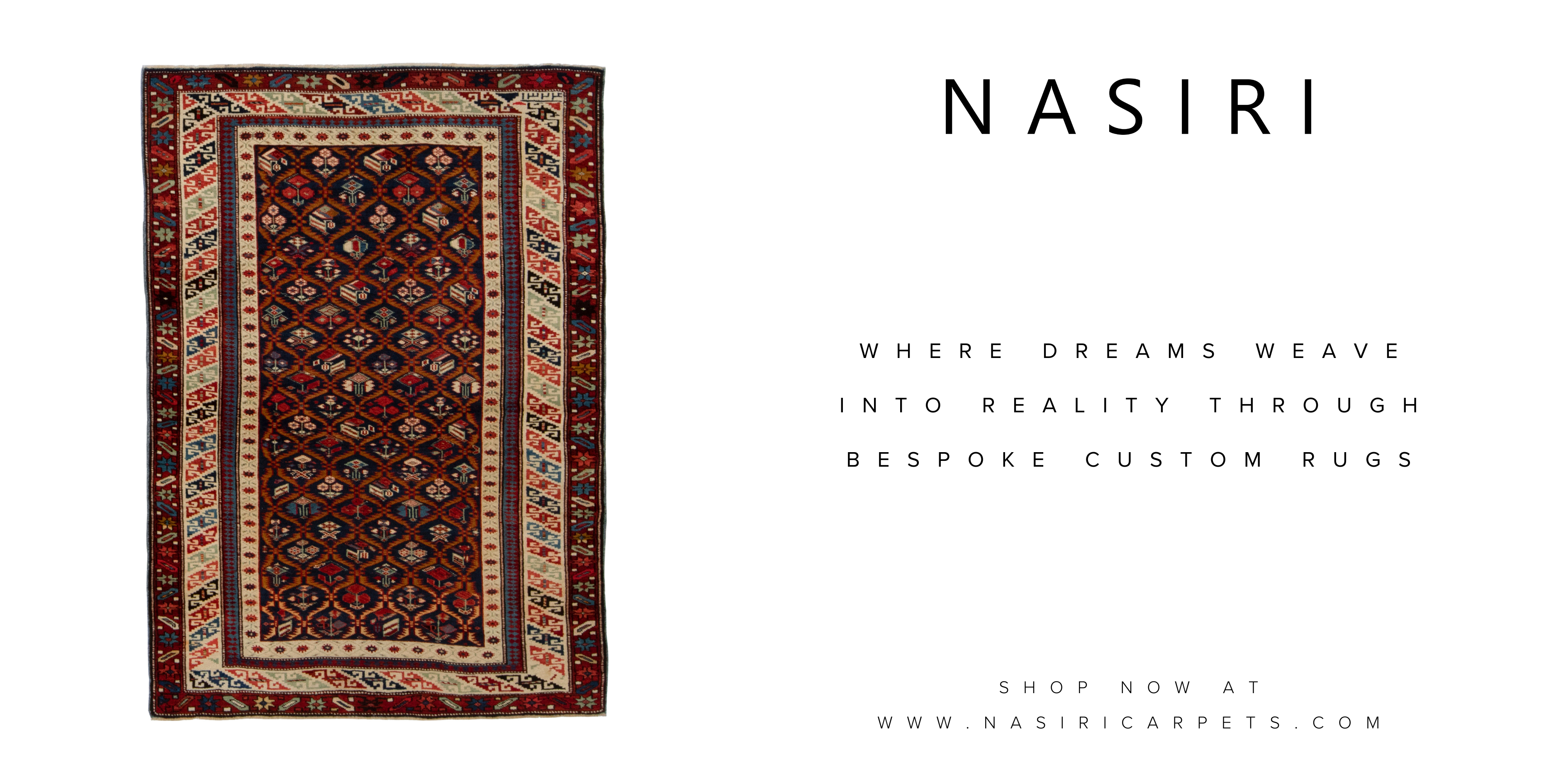
 

custom rugs


Designers know it instantly.


A decorated room looks complete.


A designed space feels intentional.


And in most high-end interiors, that intention begins with one overlooked element:


Custom rugs.


For interior designers, architects, and luxury project planners, custom rugs are not just decorative pieces—they are design tools. They define zones, control visual flow, and unify every element within a space.


This guide is written specifically for professionals who want to use custom rugs strategically—not just aesthetically.


Why Interior Designers Prefer Custom Rugs


The biggest limitation in interior design is not creativity.


It’s constraint.


Standard rugs come with:


  • Fixed sizes
  • Limited colour palettes
  • Repetitive patterns


This forces designers to adjust the vision.


Custom rugs remove those constraints entirely.


1. Total Design Control


With custom rugs, designers can control:


  • Exact dimensions
  • Colour matching (down to tone and undertone)
  • Pattern scale and placement
  • Texture and material


This allows the rug to become part of the design language, not an afterthought.


???? Explore bespoke options with Custom Rugs by NASIRI


2. Seamless Integration with Architecture


In high-end projects, nothing is random.


Custom rugs can align with:


  • Architectural lines
  • Built-in furniture
  • Lighting layouts
  • Spatial zoning


The result is cohesion that cannot be achieved with off-the-shelf products.


3. Elevated Client Experience


Clients may not always articulate it—but they feel it.


A custom rug:


  • Enhances comfort
  • Improves acoustics
  • Adds visual depth
  • Makes the space feel “finished”


It’s often the element that transforms satisfaction into wow.


The Designer’s Framework for Using Custom Rugs


To use custom rugs effectively, designers follow a strategic approach.


1. Zoning First, Styling Later


In open-plan layouts, rugs define function.


  • Living area
  • Dining zone
  • Lounge space


Each zone can have its own rug—or one large custom rug can unify everything.


2. Scale Defines Luxury


Luxury is often about scale.


A larger, well-proportioned rug:


  • Makes rooms feel expansive
  • Enhances furniture presence
  • Creates visual balance


Undersized rugs instantly reduce perceived quality.


3. Pattern as a Supporting Element


Great design is not about everything standing out.


It’s about hierarchy.


Custom rugs can:


  • Stay subtle (textural, tonal)
  • Or act as a focal point


The key is intentional contrast or harmony.


4. Texture as a Layering Tool


Designers use texture to add richness without clutter.


  • Wool → warmth
  • Silk → light reflection
  • Mixed fibres → dimension


Texture often replaces pattern in modern luxury interiors.


Custom Rugs Across Different Project Types


Custom rugs adapt to every design context.


Residential Projects


Focus:


  • Comfort
  • Personalisation
  • Longevity


Popular styles:


  • Neutral textured rugs
  • Organic patterns
  • Soft wool blends


Hospitality Spaces


Focus:


  • First impression
  • Durability
  • Brand identity


Custom rugs can:


  • Reflect brand colours
  • Guide guest movement
  • Create memorable spaces


Commercial Interiors


Focus:


  • Functionality
  • Branding
  • Visual clarity


Rugs help define:


  • Waiting areas
  • Work zones
  • Meeting spaces


Material Strategy for Designers


Choosing materials is not just aesthetic—it’s technical.


Wool


  • High durability
  • Ideal for residential + commercial
  • Soft underfoot


Silk


  • Visual luxury
  • Best for low-traffic areas
  • Enhances light


Blends


  • Combine strength + elegance
  • Popular in high-end projects


???? Learn more about materials and craftsmanship on About NASIRI

The NASIRI Custom Rug Process for Designers

NASIRI works as a creative partner, not just a supplier.


1. Design Consultation

Discuss project scope, layout, and concept

???? Begin via Contact NASIRI


2. Concept Development

Custom designs aligned with project vision


3. Material & Colour Matching

Precise alignment with finishes and palettes


4. Production

Handcrafted by skilled artisans


5. Delivery & Installation

Seamless integration into the project


Common Designer Mistakes with Rugs


Even experienced designers can misstep:


  • Choosing rugs too late in the process
  • Using rugs that are too small
  • Overcomplicating patterns
  • Ignoring material performance
  • Not aligning rug with architecture


Custom rugs eliminate these issues when integrated early.


How Custom Rugs Increase Project Value


For designers, custom rugs are not just aesthetic—they are strategic.


They:


  • Increase perceived luxury
  • Improve spatial clarity
  • Enhance client satisfaction
  • Differentiate your design work


In competitive markets, these details matter.


Signature Design Tip: Build Around the Rug


Instead of:
“Find a rug that matches the room”

Try:
“Design the room around the rug”


This shift changes everything.


Explore NASIRI Collections for Inspiration


Designers often start with references:


Each can be fully customised.


Final Thought: The Designer’s Advantage


In high-end interiors, success is not about adding more.


It’s about choosing better.


Custom rugs allow designers to:


  • Work without limitation
  • Create cohesive spaces
  • Deliver truly bespoke results


They are not an extra.


They are an advantage.


Start Your Next Project with NASIRI


???? Explore Custom Rugs
???? Collaborate with NASIRI


Design without compromise.

Contact Info

Call Info

Talk to a Sales

Sender
Recipient
Subtotal : 0 $
Checkout