
In contemporary architectural design, color is rarely static. As natural sunlight sweeps across a room—reflecting off floor-to-ceiling glass, honed marble slabs, and warm timber millwork—the materials beneath our feet must respond with equal depth and grace.
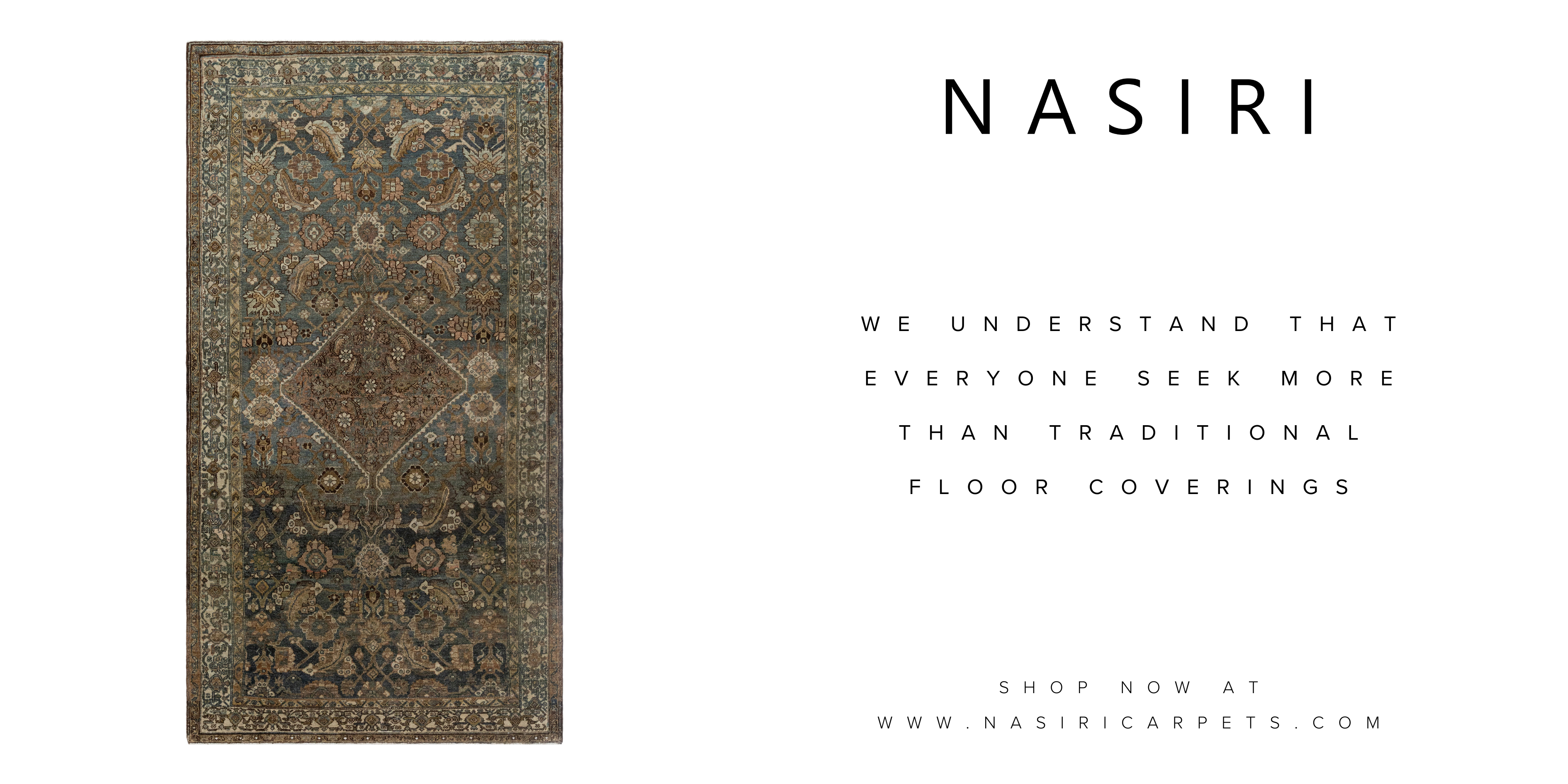
While synthetic, mass-produced carpets rely on petroleum-based chemical dyes that yield flat, rigid color, true luxury floor coverings draw their beauty from nature. Organic plant and mineral dyes do not coat wool fibers in a uniform plastic sheen; instead, they penetrate hand-spun yarns at varying depths, creating living, breathable textiles that react dynamically to fluctuating light.
At NASIRI Carpets, headquartered in the New York Design Center (200 Lexington Ave, Suite 711), the art of natural dyeing remains a cornerstone of bespoke carpet making. By combining ancient botanical dye recipes with hand-carded high-altitude wool, NASIRI provides interior architects and designers with floor coverings that bring subtle emotional balance and organic authenticity to modern spaces.
For thousands of years, master dyers across the historic rug-weaving corridors of Persia and Central Asia sourced their color palettes directly from the earth. By harvesting roots, leaves, husks, and mineral salts, they achieved rich, harmonious tones that cannot be replicated by industrial chemistry.
Color Spectrum: Deep midnight navies, serene mineral blues, and soft slate grays.
Architectural Character: Indigo is one of the few natural dyes that does not require a metallic mordant to bind to wool. It creates a deep, luminous blue that absorbs ambient light, making it an ideal anchor for private libraries, bedrooms, and executive studies where calm focus is desired.
Color Spectrum: Rich terracottas, warm brick reds, burnt orange, and muted rose.
Architectural Character: Derived from the dried roots of the madder plant, this dye produces warm, grounded earth tones. In expansive living salons with cool stone floors or exposed concrete walls, madder-dyed carpets introduce essential visual warmth and visual balance.
Color Spectrum: Warm espresso browns, antique golds, deep umbers, and soft ochres.
Architectural Character: Rich in natural tannins, walnut shells and dried pomegranate skins yield rich, lightfast earth tones without needing chemical fixatives. These warm neutrals ground floating furniture arrangements without competing with surrounding artwork.
Color Spectrum: Muted sage greens, mossy olive tones, and dark charcoal grays.
Architectural Character: By combining yellow dye plants like weld with iron-rich mud or oak gall tannins, dyers achieve complex, soothing green and charcoal shades that align seamlessly with biophilic design principles.
In commercial flooring manufacturing, color uniformity is treated as a quality control benchmark. In bespoke rug weaving, however, absolute color uniformity is recognized for what it is: flat, sterile, and lifeless.
When synthetic chemical dyes are applied to machine-spun fibers, every square inch absorbs the color at the exact same rate. Under strong architectural lighting, this produces a flat sheet of color that lacks visual dimension.
Natural dyes interact with hand-spun wool in a fundamentally different way. Because hand-carded yarn varies micro-fractionally in thickness and density from yard to yard, the organic dye bath absorbs unevenly across the skein. When hand-knotted onto a loom, this creates abrash—subtle, horizontal striations of tone that give the carpet a living, shimmering quality.
+-----------------------------------------------------------------------+
|                    NATURAL LIGHT & ABRASH DYNAMICS                    |
|                                                                       |
|   Morning Sunlight  ---> Light refracts off lighter yarn striations   |
|                                          |                            |
|                                          v                            |
|   Midday Overhead   ---> Deep mineral tones absorb glare softly        |
|                                          |                            |
|                                          v                            |
|   Evening Incandescent -> Warm organic undertones glow with depth      |
+-----------------------------------------------------------------------+
Evaluating the environmental, aesthetic, and functional differences between natural botanical dyes and industrial chemical dyes highlights why natural palettes remain the gold standard for high-end interiors:
Selecting the appropriate color palette for a bespoke carpet involves analyzing room orientation, natural light entry, and the surrounding material palette.
Palette Recommendation: Cool mineral blues (indigo), muted sage greens, and neutral charcoal undertones.
Architectural Rationale: South-facing rooms receive intense, warm sunlight throughout the day. Introducing cool indigo or slate tones balances the solar glare, creating a serene, temperature-balanced atmosphere.
Palette Recommendation: Warm terracottas (madder root), amber, ochre, and warm espresso browns.
Architectural Rationale: North-facing rooms receive cool, blue-tinted daylight. Warm madder root and pomegranate gold dyes compensate for the lack of direct sunlight, instilling instant cozy warmth into the space.
Palette Recommendation: Un-dyed high-altitude mountain wools ranging from ivory and cream to natural heather gray and deep brown.
Architectural Rationale: Eliminating dye entirely allows the natural beauty of pure sheep's wool to take center stage. Un-dyed wool carpets offer tactile richness and subtle organic texture while maintaining a clean, uncluttered visual rhythm.
Crafting color at NASIRI Carpets is an unhurried, meticulous process that blends botanical knowledge with handcrafting discipline:
For architects, interior designers, and trade professionals, finding the exact color match for a custom project is essential. NASIRI Carpets offers dedicated color-matching services directly through their showroom at the New York Design Center (200 Lexington Ave, Suite 711).
Bespoke Pom Matching: Submit fabric swatches, stone samples, or paint chips to receive custom-dyed wool and silk yarn poms for approval.
Lighting Condition Testing: Test custom yarn poms under both artificial showroom lighting and on-site natural room light before loom setup.
Physical Strike-Off Verification: Receive a physical hand-woven 1'x1' strike-off sample to verify colorways, abrash depth, and pile texture in your project space.
Talk to a Sales