
The moment light touches a custom rug, something invisible begins. Wavelengths strike fibers, photons scatter, and your brain receives signals that your conscious mind hasn't acknowledged yet. Your nervous system responds before language catches up. This is the hidden conversation that happens daily between custom rugs and the people inhabiting spaces graced by their presence—a dialogue conducted in color and texture, psychology and materiality, tradition and transformation.
Table of Contents
The Language of Chromatic Belonging
Cultural Memory Woven into Fiber
The Sustainability Question That Transforms Custom Rug Meaning
The Sensory Architecture Beyond Visual Beauty
The Mathematics of Intentional Selection
The Longevity Commitment Custom Rugs Demand and Reward
The Journey Forward
Understanding custom rugs requires abandoning the assumption that they are primarily aesthetic objects. They are neurological devices, psychological instruments, environmental architects operating silently beneath the threshold of conscious recognition. They shape how you think, what you feel, and fundamentally whether spaces nourish or deplete you.
This exploration ventures into territory rarely articulated in design conversations—the real mechanisms through which custom rugs remake home environments. Not through decoration, but through chromatic psychology, cultural embodiment, and the peculiar alchemy of turning fiber into sanctuary.
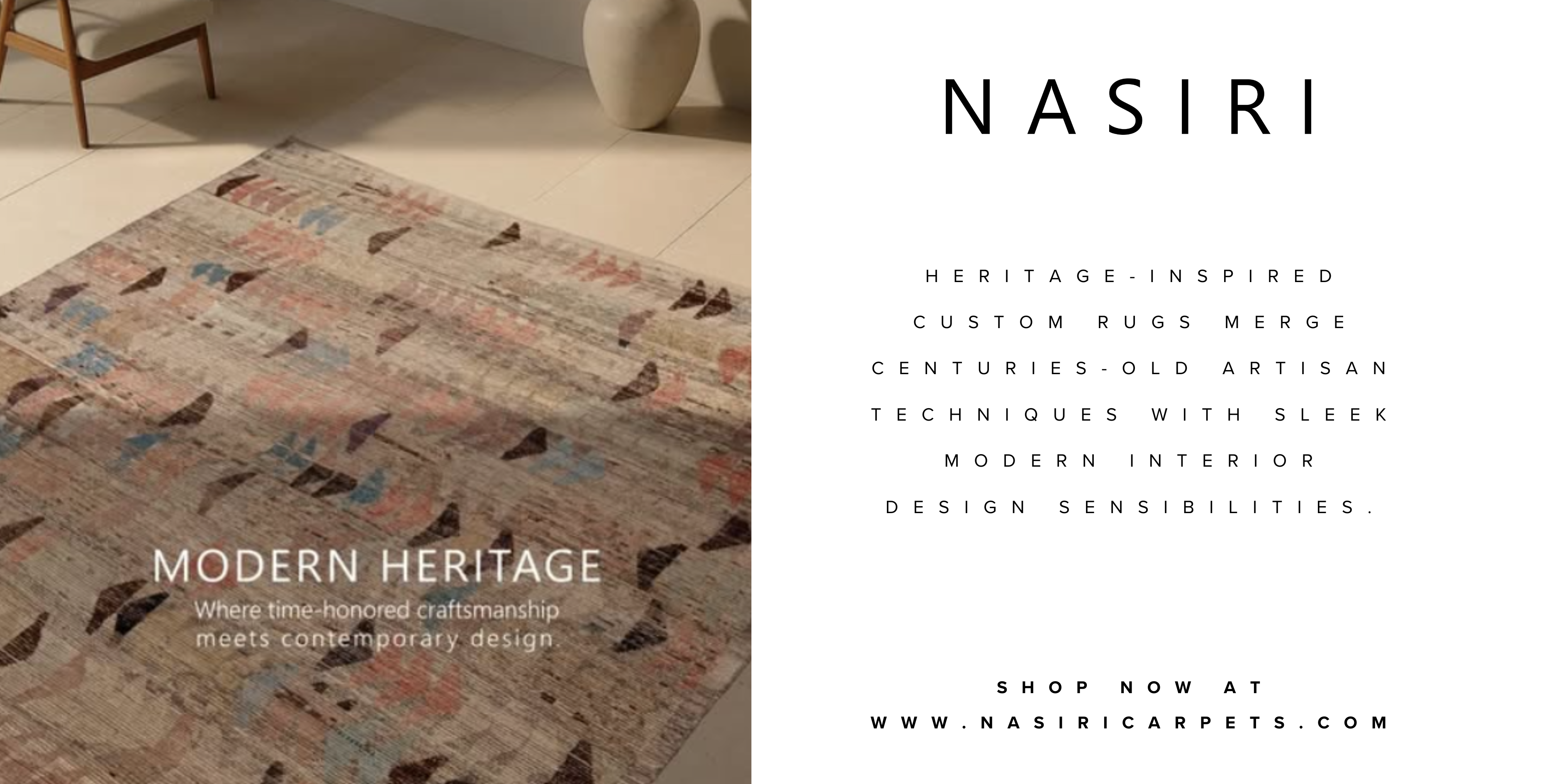
Custom rugs exist at the intersection of art, science, anthropology, and personal narrative. They carry color philosophies refined across centuries, maintain cultural meanings woven by ancestors, and simultaneously reflect your particular hopes for how your home should feel when you step onto its surface at dawn. This multiplicity—aesthetic, functional, cultural, psychological—distinguishes them from everything else in conventional interior design.
The question becomes not simply which custom rug to choose, but what kind of chromatic sanctuary you want to inhabit. What mood do you need supported daily? What cultural resonances call to something essential in you? What investment in material permanence feels worth committing to? These questions demand honesty, self-knowledge, and willingness to think about domestic environments as serious territory deserving intentional design.
Chromatic Sanctuaries begins there—with recognition that custom rugs are far more than beautiful surfaces. They are ongoing conversations between fiber and inhabitant, tradition and transformation, color and consciousness.
Colors communicate through pathways that bypass language entirely. When you enter a room dominated by deep indigo custom rugs, your physiology shifts before your conscious mind registers the color. Heart rate decreases. Breathing deepens. Cortisol production decelerates. The blue wavelengths interact with photoreceptors in your eyes, triggering neural cascades that literally change how your brain functions in that space.
This isn't mystical thinking—it's basic neuroscience that somehow remains absent from most custom rug purchasing conversations. The colors you select for your rug determine the neurochemical environment you inhabit for thousands of hours. They establish the baseline emotional frequency from which everything else in that room derives meaning.
Warm tones—ochres, terracottas, warm golds—activate the brain's social and emotional centers. Rooms featuring custom rugs in these hues see conversation increase, guests linger longer, and the space naturally encourages gathering. The warmth triggers ancient associations with fire and hearth, safety and belonging, creating environments where isolation becomes difficult and connection flows naturally.
Cooler palettes—blues, greens, cool grays—engage different neural systems. These colors promote focus, reduce anxiety, and facilitate contemplation. Home offices, studios, and meditation spaces benefit from custom rugs rendered in cool palettes because these hues literally make sustained mental work feel less effortful.
Greens occupy a fascinating middle ground, simultaneously calming and activating. Green custom rugs promote balanced focus—the mental state required for creative work that demands both relaxation and sustained attention. They trigger associations with growth and nature while maintaining the stress-reduction properties of cool hues.
Purple presents psychological complexity—simultaneously regal and restful, dramatic and dreamlike. Soft lavenders calm while deeper plums energize. The specific hue determines psychological direction rather than the general category.
Yellow delivers paradox: simultaneously uplifting and potentially anxiety-inducing, depending on saturation and context. The brightest yellows stimulate extensively, activating both positive and adverse nervous system responses. Muted, warm golds deliver optimism without overstimulation.
Red functions as psychological catalyst—energizing, stimulating conversation, activating attention. Red custom rugs work brilliantly in dining spaces where you want animated interaction and social vibrancy. Prolonged exposure in sleeping or relaxation spaces creates counterproductive overstimulation.
The sophistication of custom rug selection involves recognizing that color doesn't simply "look nice"—it fundamentally restructures neurological function in spaces. The custom rug beneath your feet isn't decoration. It's applied neuroscience, daily calibration of consciousness, environmental engineering to support specific mental and emotional states.
Every motif, every pattern, every symbolic element in traditional custom rugs carries meaning encoded through centuries of cultural practice. These aren't arbitrary designs by isolated artists—they're visual vocabularies developed across generations, containing cultural memory and spiritual significance.
Persian boteh motifs originated as stylized flames and eternal life symbols. When weavers incorporated these patterns into custom rugs, they weren't creating decoration—they were creating spiritual objects, vessels for prayers woven into fibers. Possessing a custom rug containing these symbols means inhabiting a space graced by centuries of accumulated intention.
Moroccan Berber patterns encode protection and fertility through lozenge shapes and geometric abstractions. These weren't aesthetic choices but protective measures, visual formulas developed through experience with how particular patterns influenced household wellbeing. Contemporary custom rugs incorporating these traditional elements bring that accumulated wisdom into modern homes.
Tibetan tiger rugs channel power and spiritual protection through bold striping that captures both aesthetic intensity and cultural meaning. The tiger represents strength and guardianship in Tibetan consciousness—these patterns aren't merely striking visually but functionally protective in traditional understanding.
Indian custom rugs draw from Mughal garden inspiration, translating landscape beauty into intricate floral patterns that represent harmony with nature. Each flower and vine carries cultural significance—acknowledgment that humans and natural systems interconnect, that beauty serves spiritual purposes beyond mere visual pleasure.
Nomadic tribal rugs preserve the essence of cultures maintaining semi-nomadic existence despite modern pressures. Weavers, predominantly women, transmit designs through observation and practice rather than written instruction, maintaining traditions in ways written records cannot capture. Acquiring a custom rug from these traditions means supporting continuation of cultures threatened by modernization.
What separates culturally-informed custom rugs from superficial pattern borrowing involves understanding and respecting the meanings embedded in designs. Selecting patterns carelessly—choosing Berber designs without acknowledging their protective symbolism or Navajo patterns without understanding their sacred context—reduces cultural knowledge to decoration. Thoughtful custom rug commissioning involves partnering with designers who understand these meanings and help clients approach pattern selection with cultural awareness rather than mere aesthetic consumption.
Eco-consciousness increasingly shapes how discerning consumers approach custom rug commissions. The materials selected, dyes employed, and production methods utilized determine whether your custom rug represents environmental degradation or regeneration.
Natural fibers—hand-spun wool, silk, organic cotton, jute, hemp—biodegrade completely while synthetic fibers persist in landfills for centuries. This fundamental difference means material choice carries environmental weight beyond immediate acquisition. Commissioning custom rugs from premium natural materials represents investment in environmental responsibility extending far beyond personal home comfort.
Natural dyes derived from plants and minerals outperform synthetic alternatives environmentally, while simultaneously delivering superior aging characteristics. Indigo creates blues that deepen with time rather than fading into industrial uniformity. Walnut shells produce browns that warm and mellow. Saffron delivers golds that shift subtly across years of exposure and use. These natural dyes age like fine wines while synthetic alternatives degrade into predictable obsolescence.
Sustainable production methods employ renewable energy, minimize waste through innovative recycling, and protect water systems from chemical contamination. Leading custom rug producers harvest solar energy for significant portions of production, recover and reuse dye water, and transform waste materials into innovative fiber blends. These practices require commitment and investment that necessarily reflect in pricing—yet they represent the only path toward custom rugs that embody genuine luxury rather than hidden environmental devastation.
The ethical dimension of custom rug commissioning involves recognizing artisan communities as essential partners rather than anonymous labor sources. Fair wage practices, safe working conditions, and opportunities for artisans to advance beyond repetitive production ensure that your custom rug investment supports human flourishing rather than exploitation.
Commissioning sustainable custom rugs becomes an act of environmental and ethical participation rather than simple consumption. Every choice—fiber selection, dye methods, production practices, fair wage commitments—embodies values about what kind of world you want to support through purchasing power.
Custom rugs engage all sensory systems simultaneously, operating as total environmental interventions rather than surface decoration. The texture beneath bare feet triggers proprioceptive and tactile sensations that profoundly influence wellbeing. The particular acoustics created by fiber density and pile height transform how sound behaves in spaces. The thermal properties of natural materials regulate temperature and create comfort that extends to both body and mood.
Walking barefoot across a high-quality wool custom rug activates approximately two hundred different sensory receptors in your feet, flooding the nervous system with input that registers as comfort and safety. This sensory engagement matters neurologically—it influences pain perception, stress hormones, and overall sense of wellbeing.
Acoustic properties of custom rugs reduce ambient noise, making spaces feel calmer and mentally less demanding. In homes where sound typically echoes and conversations struggle against reverberation, proper custom rug placement creates acoustic havens where silence feels palpable and speech carries clarity.
Thermal regulation provided by natural fiber custom rugs stabilizes temperature and reduces the background stress of perpetual mild coldness that uninsulated floors create. This subtle temperature management extends to emotional regulation—people consistently report improved mood and baseline contentment in thermally comfortable environments.
Color consistency achieved through natural dyes and quality construction maintains visual stability across decades. Unlike synthetic alternatives that fade into dull uniformity, well-maintained custom rugs develop character and patina that deepens rather than depletes aesthetic value.
The sensory completeness that quality custom rugs deliver across multiple domains—visual, tactile, acoustic, thermal—explains their outsized influence on space quality and inhabitant wellbeing. They're not adding sensory dimension to spaces; they're completing the sensory architecture required for authentic comfort.
Choosing a custom rug that genuinely serves your space and life requires calculating across multiple variables simultaneously. Size, color psychology, cultural meaning, material sustainability, and durability potential must align in coherent systems rather than operating as independent decisions.
Room function determines primary color direction—social spaces benefit from warm engagement palettes while focused work areas require cooler, concentration-supporting hues. Existing architectural features and natural lighting establish constraints that psychological theory must accommodate. Lifestyle patterns reveal practical requirements—high-traffic areas demand durable materials while ceremonial spaces might prioritize beauty over practicality.
The most successful custom rug commissions emerge from designers who hold all these variables simultaneously, recognizing that optimal solutions satisfy multiple criteria rather than maximizing any single factor. This complexity explains why generic selection systems fail—custom rugs require custom analysis that respects the particularity of your home, your life, your psychological needs, and your values.
The calculus involves honesty about what you actually need rather than what marketing suggests you should want. That requires working with designers committed to serving your genuine interests rather than maximizing profit margins.
Quality custom rugs represent a different kind of consumer commitment than most home furnishings. They demand ongoing care through regular maintenance, seasonal rotation, and periodic professional attention. They require protection from excessive direct sunlight and environmental extremes.
This maintenance commitment seems burdensome until recognized as the price of building relationships with objects that reward investment through decades of deepening beauty. Unlike disposable alternatives that deteriorate predictably and require replacement, well-maintained custom rugs improve with time—developing patina, deepening character, and accumulating meaning.
The most profound custom rug experiences involve inheriting pieces woven before your birth, walking daily across textiles that witnessed previous generations' lives, and eventually passing these objects to children and grandchildren. This multigenerational continuity transforms custom rugs from purchase decisions into inheritance narratives.
Commissioning a custom rug today means creating an object your grandchildren might someday inherit—establishing continuity across time that few consumer choices accomplish. This temporal consciousness fundamentally alters how thoughtful people approach custom rug selection.
Custom rugs operate as chromatic sanctuaries when selected and maintained with full consciousness of their multidimensional influence. They reshape neurological function through color psychology while simultaneously honoring cultural traditions and environmental responsibility.
The custom rug beneath your feet at dawn, at noon, at dusk throughout seasons and years becomes more than floor covering. It becomes sanctuary, guardian of family memory, embodiment of cultural wisdom, environmental statement, and daily calibrator of consciousness.
Commissioning such a rug begins with recognizing its potential to transform your home beyond aesthetics into lived experience of psychological and spiritual support. It continues through collaboration with designers and makers who understand custom rugs as serious territory deserving careful thought. It deepens through decades of living with an object that grows more beautiful, more meaningful, more valuable with time.
The chromatic sanctuary awaits, woven from intention and fiber, color and culture, tradition and transformation. Step into it deliberately, knowing exactly what you're building, and watch how your space—and your consciousness—transforms in response.
Talk to a Sales